How to choose the right card machine for your business in 2026
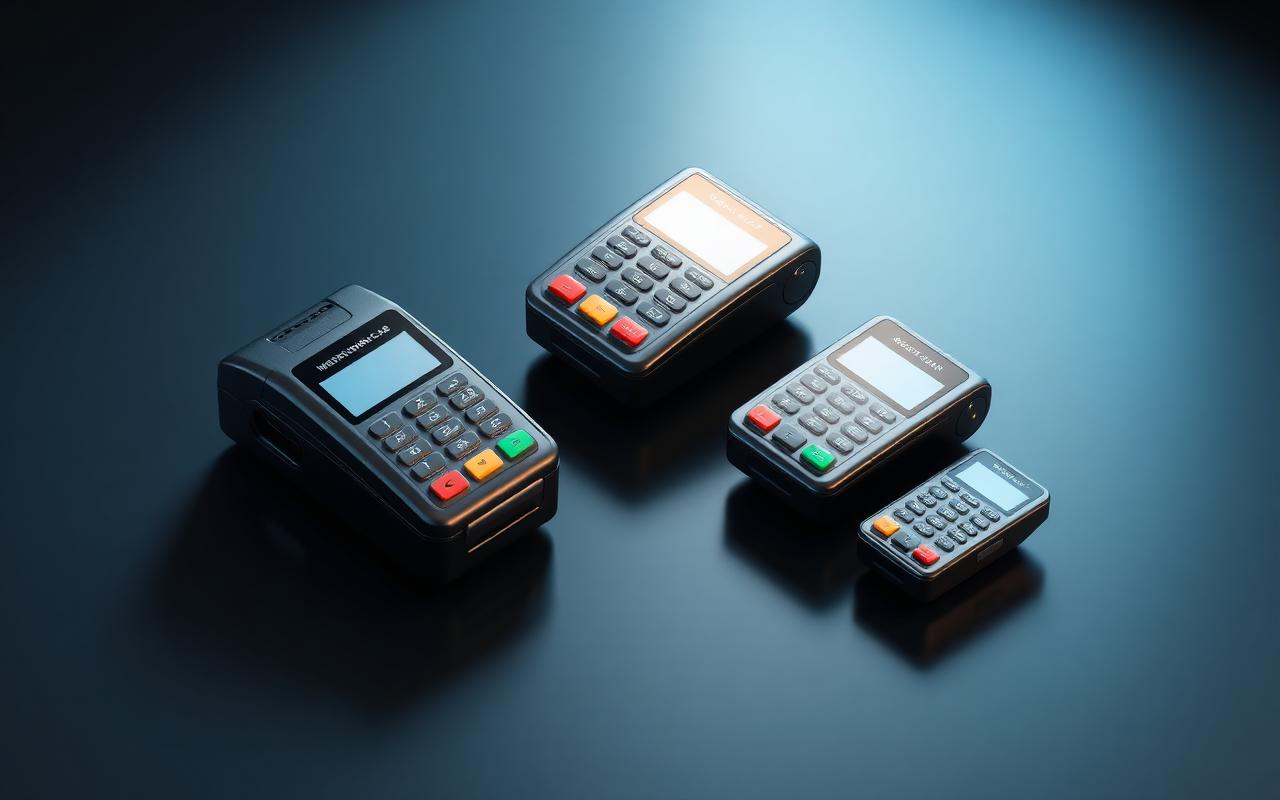
If you've spent any time researching card machines, you've probably noticed the market is loud, confusing and full of jargon. Every provider claims to be the cheapest. Every device looks roughly the same. And every contract has just enough small print to make you nervous.
We talk to hundreds of UK SMEs a month about exactly this question. So instead of another sales-flavoured comparison table, here's an honest, practical guide to picking the card machine that actually fits how your business operates in 2026.
Start with how — not what — you take payments
The single biggest mistake we see is business owners shopping for a device before they've described their workflow. The right machine flows naturally from how, where and when your customers pay you.
- Do customers pay at a fixed till point, or do you take payment at the table, on a job, or in a van?
- Are payments mostly under £30 contactless, or higher-ticket chip & PIN?
- Do you need to split bills, take tips, or print itemised receipts?
- Will you take phone or online orders that need a virtual terminal?
Answer these four honestly and you've already narrowed the field by 80%.
The three machine types — and who they're really for
1. Countertop
Plugged in, sits next to the till, connected by ethernet or Wi-Fi. Fastest, cheapest to run, and the most reliable. Ideal for: convenience stores, dry cleaners, pharmacies, takeaways with a counter.
2. Portable
Wireless within your premises, usually on a base station. Lets staff bring the terminal to the customer, which is non-negotiable for hospitality. Ideal for: restaurants, bars, hotels, salons.
3. Mobile (4G/SIM)
Works anywhere with a signal. No Wi-Fi needed. Built for tradespeople, mobile therapists, market stalls and pop-ups. Slightly higher monthly fee, but worth every penny if you don't have a fixed location.
If your customer ever waits while you walk back to a till, you've outgrown a countertop machine.
What actually moves the cost
Card machines have three cost layers: hardware, monthly service fee, and per-transaction rate. The headline rate is rarely the full story.
- Watch the difference between debit and credit rates — and especially commercial / international cards.
- Check minimum monthly service fees. Many providers quietly charge £15–25/month if you don't hit a transaction floor.
- Ask about PCI compliance fees. They're real, recurring, and almost never mentioned upfront.
- Confirm settlement timing. Next-day is now standard; anything slower costs you cash flow.
Contracts: the part nobody reads
Standard merchant agreements still run 3–5 years with auto-renewal. In 2026 there's no reason to sign anything longer than 18 months. Push back. Good providers will agree.
Also ask explicitly about early termination fees, rate review clauses, and whether the terminal is rented or sold — these three details account for almost every nasty surprise we hear about.
Integration with the rest of your stack
If you already use a modern EPOS — Square, Lightspeed, Toast, Zettle, Goodtill — make sure your terminal integrates natively. Re-keying totals into a separate card machine is the fastest way to short your own till at the end of the day.
"The cheapest machine on paper is almost never the cheapest machine in practice. Total cost of ownership beats headline rate every time."
- Pick the form factor that matches your workflow first — price second.
- Get every fee in writing: monthly, PCI, termination, settlement.
- Don't sign more than 18 months in 2026.
- Insist on native EPOS integration if you already use one.
- Get an independent quote — even just for benchmarking.
Want to talk to us about card machines?
Real humans, honest advice, no obligation.


Smarter payments. Faster funding.
Talk to TakeCard about the right card machine or funding solution for your business.